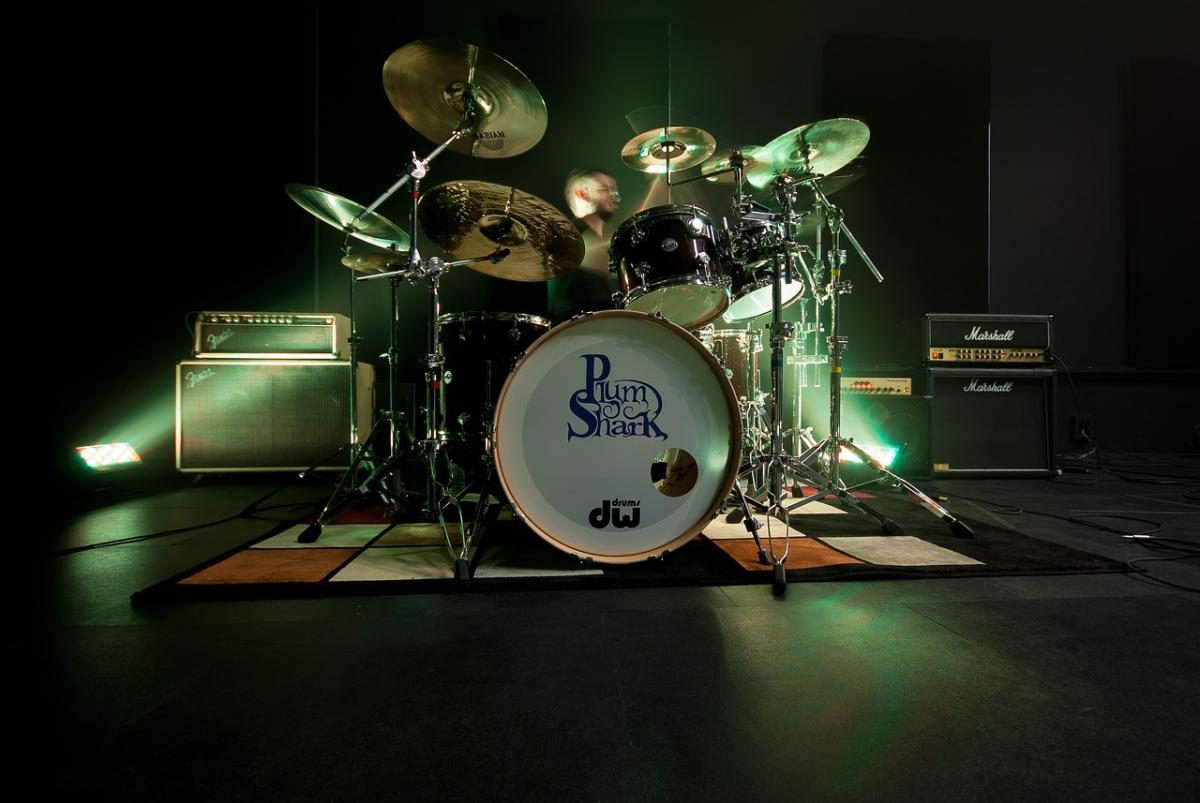
Drum sets have come a long way since their early days. Back in the day, drums were mostly just individual pieces without the organized structure we see now. Musicians would use things like snare drums, bass drums, and cymbals, but they didn't have a full kit like we know today. Instead, you’d see drummers piecing together what they could find to create their sound.
In the late 19th and early 20th centuries, things started to change. Drumming became a big part of jazz and marching bands, and drummers wanted a way to carry their gear easily. This is when the concept of the drum set started to take shape. Drummers began to stack drums on top of each other and connect them with pedals.
The first drum sets were pretty basic. They usually included a bass drum, a snare drum, and a couple of cymbals. Drummers started getting creative, experimenting with different sounds. They used wooden sticks, brushes, or even their hands. You could say this was the beginning of the modern drumming sound we hear today. It was all about making music that people could dance to.
As time went on, manufacturers began producing more complex kits. They added tom-toms, hi-hats, and various percussion instruments. The sound options grew, letting drummers express themselves in new ways. This evolution wasn't just about adding more pieces; it was about understanding how to make a richer and fuller sound.
The Rise of Rock and Roll Drums
Rock and roll drums took the music scene by storm in the 1950s. This was the era when drummers started to play a bigger role in bands. Before that, drums were often just background noise. But with rock and roll, they became front and center, driving the beat and energy of the music.
For many drummers, rock and roll was a playground. The classic drum set typically featured a bass drum, snare, toms, and cymbals. This setup gave drummers the versatility to create powerful beats and catchy rhythms that everyone wanted to dance to. Icons like Buddy Rich and Ringo Starr showed how unstoppable a good drummer could be, and suddenly, a single drummer could make or break a song.
The '60s and '70s brought a wave of innovation in drum kits. Companies started developing new materials and designs, resulting in lighter and sturdier drums. This allowed drummers to explore all kinds of music, from soft ballads to heavy rock anthems. Drummers like John Bonham of Led Zeppelin and Keith Moon of The Who pushed these kits to their limits, dazzling audiences with their impressive styles.
As the genre evolved, so did the drumming techniques. Percussionists began incorporating more complex rhythms and fills. The energy of rock and roll drumming definitely set the stage for modern styles. Today, drummers pull from the rich history of rock and roll while mixing in touches from jazz, funk, and even hip-hop. That blend of styles keeps the art of drumming fresh and exciting.
Modern Innovations in Drum Design
Drum sets have come a long way, thanks to some pretty cool innovations that make them not only better but also a lot more fun to play. Modern drums often use materials like birch, maple, and even specialty composites to give drummers a range of sounds. If you’re after that punchy attack or a warm, resonant tone, there’s definitely a drum kit out there for you. It’s amazing how technology helps shape the sound coming from these instruments.
Check out electronic drum kits! These bad boys have transformed how drummers practice and perform. With built-in sounds and effects, you can jam out in your living room without waking the neighbors. Plus, many of them let you connect to software and apps, so you can record directly to your computer or even play along with your favorite tracks. It’s like having a full studio at your fingertips.
The hardware of drums has also seen some serious upgrades. With lightweight, adjustable stands and more durable materials, drummers can set up quickly and worry less about gear failing mid-gig. You’ll find features like quick-release mechanisms that make changing setups a breeze. This means you can get right to the good stuff—playing!
Finally, the designs have gotten a lot flashier, too. From vibrant finishes to custom artwork, drummers express themselves like never before. Some brands even allow you to design your own drums! So whether you're rocking out in a garage band or showing off on stage, your kit can look as unique as you are.
Drum Set Trends for Today's Musicians
Drum sets today are a whole new ballgame compared to what they used to be. Musicians are constantly looking for ways to express themselves, and drum sets are evolving to meet those needs. No longer just about traditional acoustic sets, modern drummers are mixing acoustic elements with electronic features to create unique sounds. You’ll see a lot of hybrid kits out there that combine classic wooden drums with digital triggers and pads for a versatile playing experience.
Another exciting trend is the rise of portability. Many drummers are opting for compact kits that are easy to transport. Smaller setups, like electronic drum pads, let you practice anywhere. Whether you’re jamming in your bedroom or playing a gig in a small venue, these kits keep the energy up without the heavy lifting. Plus, storage is a breeze!
And let’s not forget the impact of technology. With apps and software designed specifically for drumming, musicians can easily learn new techniques or even mix their tracks. Some of these apps offer play-along features that allow you to jam with your favorite songs. It makes practicing way more fun and engaging.
Color and design trends are changing too. While classic finishes will always have their place, many drummers are now opting for bold colors and unique patterns. Customization blends personal style with sound, making each kit distinct. This trend helps drummers express who they are, both in sound and in appearance.
